Cowboy Pool Maintenance Cost: Weekly and Bi-Weekly Pricing Breakdown
Cowboy Pools look effortlessly cool in backyard photos, but those glossy images rarely mention what happens after installation day. The ongoing costs of keeping that water clear and swimmable catch many new owners off guard.
Whether you're weighing professional service against DIY care or trying to budget for your first stock tank pool season, this guide breaks down exactly what you'll spend on weekly and bi-weekly maintenance, what factors drive costs up or down, and how to keep your pool pristine without overpaying.
How much does Cowboy Pool maintenance cost
Cowboy Pool upkeep costs typically range from $100 to $200 per month for professional service, while DIY maintenance runs considerably less—often $20 to $50 monthly for chemicals and basic supplies. Your actual costs depend on whether you hire a professional, how frequently you swim, and whether you're running additional equipment like a heater or chiller.
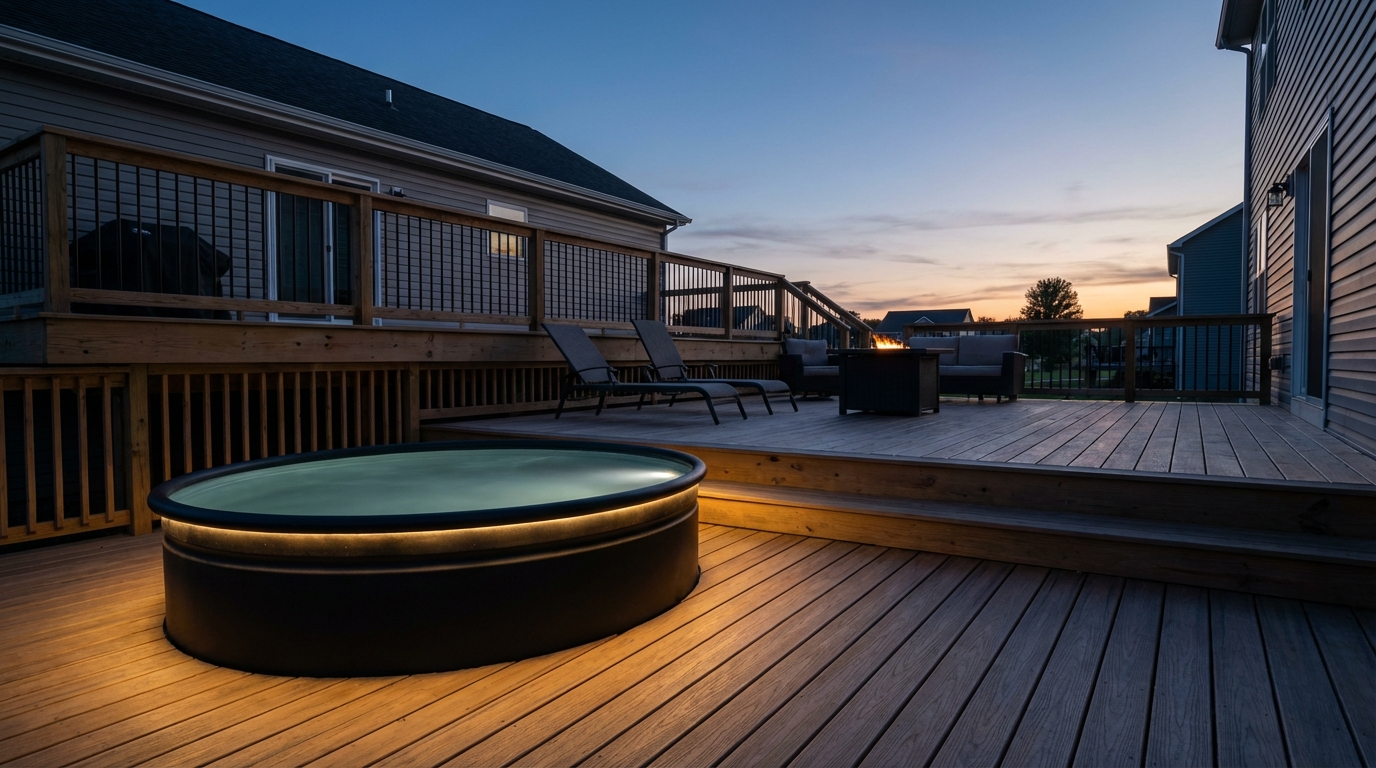
If you're new to the term, a Cowboy Pool is a stock tank pool—a galvanized steel livestock tank outfitted with a filtration system and sometimes a heater to create a compact swimming experience. These pools have become popular across the West as a faster, more affordable alternative to traditional in-ground installations.
Professional maintenance companies typically offer weekly or bi-weekly service visits. Weekly service costs roughly twice as much as bi-weekly, though the exact pricing varies by provider and location. One-time cleaning services are also available for pool owners who handle routine care themselves but want occasional professional help.
Weekly vs bi-weekly stock tank pool service costs
How often a technician visits your pool directly affects both your monthly bill and how much work you'll do between appointments. The right choice comes down to how you use your pool and how hands-on you want to be.
Weekly maintenance pricing
Weekly service sits at the premium end of stock tank pool care. A technician visits every seven days to test water chemistry, clean the filter, skim debris, and adjust chemical levels as needed.—services that typically cost $75 to $150 per hour for professional pool maintenance.
This frequency makes sense for pools that get heavy daily use, rental properties where guests expect crystal-clear water, or owners who prefer a completely hands-off experience. You're paying for the convenience of never thinking about water quality between visits.
Bi-weekly maintenance pricing
Bi-weekly service cuts the monthly cost roughly in half while still providing professional oversight. Technicians perform the same tasks but visit every two weeks instead of every week.
Between visits, you'll likely add chlorine and skim leaves yourself—tasks that take just a few minutes. Many pool owners find this balance of professional support and light involvement works well for their budget and schedule.
Choosing the right service frequency
The right service level depends on your specific situation:
- Heavy daily use: Weekly service prevents water quality problems before they develop
- Weekend-only swimming: Bi-weekly service typically keeps water balanced with minimal effort on your part
- Rental or Airbnb property: Weekly service ensures guests always find the pool ready
- Seasonal or occasional use: Bi-weekly or even monthly service may be sufficient
What professional Cowboy Pool maintenance includes
When you pay for professional stock tank pool service, you're getting more than someone to add chlorine. A trained technician—often a Certified Pool Operator—performs a systematic check of your entire pool system during each visit.
Water testing and chemical balancing
Technicians test three key measurements during each visit: pH, chlorine levels, and alkalinity. These factors work together to keep water safe, clear, and comfortable for swimming.
High-altitude locations present unique challenges for water chemistry. Increased UV exposure at elevation breaks down chlorine faster than at sea level, while lower atmospheric pressure affects how chemicals behave in water. Experienced technicians in Colorado adjust their approach to account for these conditions.
Filter and pump inspection
Stock tank pools use compact above-ground filter pumps rather than the complex systems found in traditional pools. During each visit, technicians clean or backwash the filter media and verify the pump is circulating water properly.
Catching a struggling pump early prevents bigger problems down the line. A filter that isn't cleaned regularly works harder, wears out faster, and does a worse job keeping water clear.
Surface cleaning and debris removal
Each visit includes skimming floating debris, brushing the tank walls to prevent algae buildup, and removing sediment from the bottom. While these tasks seem straightforward, they make a noticeable difference in water clarity and overall appearance.
Equipment checks and minor repairs
Technicians inspect hoses, connections, and fittings for leaks or wear. If your setup includes a heater or chiller, they'll check that equipment too.
Small issues like a loose clamp or cracked fitting are easy fixes when caught early. Left alone, they can lead to equipment failure or significant water loss.
DIY stock tank pool maintenance costs
Handling maintenance yourself dramatically reduces ongoing expenses. The trade-off is your time and a learning curve around water chemistry—though most people pick it up within a few weeks.
Chemicals and testing supplies
The essentials include chlorine (tablets or liquid), pH adjusters, and occasionally algaecide or shock treatment for problem situations. Test strips or a liquid test kit let you monitor water chemistry so you know when adjustments are needed.
Most pool owners find chemical costs stay relatively low each month, though usage increases during hot weather and periods of heavy swimming.
Cleaning tools and equipment
A skimmer net, wall brush, and small pool vacuum handle the physical cleaning tasks. These are one-time purchases that typically last multiple seasons with basic care, or you can get everything you need in a complete DIY kit.
Estimated monthly DIY expenses
| Expense Type | Frequency | Typical Cost Range |
|---|---|---|
| Chlorine and sanitizer | Monthly | $10–$20 |
| pH and alkalinity adjusters | Monthly | $5–$10 |
| Test strips or kit | Monthly | $5–$10 |
| Cleaning tools | One-time | $30–$60 |
| Filter media replacement | Seasonal | $20–$40 |
Electricity for running the filter pump adds to monthly costs, though stock tank pools use far less energy than full-size pools. If you're running a heater, expect utility costs to increase noticeably during use.
Factors that affect Cowboy Pool upkeep costs
Your actual maintenance expenses may differ from general estimates based on several variables specific to your situation and location.
Altitude and climate conditions
Colorado's high altitude means more intense UV radiation, Colorado's high altitude means more intense UV radiation—with UV levels increasing by 10%) for every 1000 meters in altitude—which degrades chlorine faster than at lower elevations. Pool owners at altitude typically use more sanitizer than someone with an identical pool in a coastal city.
Front Range and semi-arid climates also increase evaporation rates also increase evaporation rates, with pools typically losing 1/4 inch of water per day on average. Topping off your pool more frequently means adding fresh water that requires chemical adjustment each time.
Pool usage and bather load
More swimmers introduce more contaminants—sunscreen, body oils, sweat, and organic matter all affect water chemistry. A pool used daily by a family of four requires more chemical intervention than one used occasionally by a couple.
Rental properties with rotating guests typically see higher maintenance demands than residential pools with consistent users who shower before swimming.
Water quality and source
Municipal water usually arrives pre-treated and relatively balanced. Well water, on the other hand, often contains minerals, metals, or other compounds that require additional treatment before pool chemistry stabilizes.
If your tap water is particularly hard or has high iron content, you may spend more on specialty chemicals or benefit from professional guidance to achieve proper balance.
Seasonal maintenance needs
In Colorado, most stock tank pool owners winterize their pools rather than maintaining them year-round. Winterization involves draining the water, cleaning the tank thoroughly, and storing equipment indoors—either as a DIY project or a professional service.
Spring startup reverses the process: refilling, balancing fresh water, and recommissioning equipment. Both seasonal transitions add to annual costs but eliminate monthly expenses during the off-season entirely.
How to lower your stock tank pool maintenance expenses
A few straightforward practices reduce both the effort and cost of keeping your pool swim-ready:
- Use a pool cover when the pool isn't in use—covers reduce debris, slow evaporation, and help retain heat
- Maintain consistent chemical levels rather than letting water quality deteriorate and then correcting it, which uses more chemicals
- Run the filter pump regularly—most manufacturers recommend six to eight hours daily for proper circulation
- Shower before swimming to reduce contaminants entering the water
- Address small issues immediately before they become expensive repairs
Tip: Keeping a simple log of your chemical additions and test results helps you spot patterns and predict when adjustments are needed, saving both time and money over a season.
Is professional Cowboy Pool service worth the cost
The value of professional maintenance depends largely on your available time, comfort with water chemistry, and how you use your pool.
For busy homeowners who want to enjoy their pool without thinking about upkeep, professional service delivers genuine peace of mind. You won't wonder whether the water is safe or scramble to fix a green pool before weekend guests arrive.
Rental property owners often find professional service essential. Guests expect a ready-to-use pool, and a single negative review mentioning murky water can cost more than months of maintenance fees. The math tends to favor professional care in these situations.
On the other hand, hands-on owners who enjoy the routine of pool care—and have time for it—can save meaningfully by handling maintenance themselves. The learning curve isn't steep, and the tasks become second nature within a few weeks of practice.
Start your stock tank pool journey with confidence
Understanding maintenance costs upfront helps you budget realistically and avoid surprises after installation. Whether you choose professional service or the DIY route, stock tank pools offer a genuinely lower-maintenance alternative to traditional swimming pools—with smaller water volumes, simpler equipment, and less complexity overall.
For Colorado homeowners ready to add a stock tank pool to their backyard, Splashkit delivers turnkey installations completed in a single day, with optional ongoing maintenance support designed specifically for high-altitude conditions.
Request a custom installation quote to explore your options and get pricing tailored to your property.
Frequently asked questions about Cowboy Pool upkeep costs
How long will a stock tank pool last with regular maintenance?
A well-maintained galvanized steel stock tank pool typically provides five to ten years of use, sometimes longer. Proper water chemistry prevents corrosion from the inside, while winterization protects the tank and equipment from freeze damage during cold months.
Can I winterize my Cowboy Pool to save on off-season costs?
Yes, and most Colorado pool owners do exactly that. Draining, cleaning, and covering your pool for winter eliminates monthly maintenance costs entirely during cold months while protecting your investment from freeze damage.
Do Cowboy Pools require more or less upkeep than traditional pools?
Stock tank pools generally require less maintenance due to their smaller water volume—typically 300 to 700 gallons compared to 15,000 or more for a standard in-ground pool. However, the fundamental tasks remain the same: chemical balancing, filtration, and regular cleaning.
What happens if I skip stock tank pool maintenance for several weeks?
Neglected pools quickly develop algae, cloudy water, and potentially damaged equipment. Recovery often requires shocking the water, deep cleaning the tank, and sometimes replacing filter media—costing more in time and money than consistent routine care.