Pool Installation Cost: Complete Guide and Price Breakdown (2025)
A backyard pool sounds great until you start researching prices and realize the range spans from $1,500 to well over $100,000. That's not exactly helpful when you're trying to figure out whether a pool fits your budget.
The real answer depends on what kind of pool you want, how big it is, and where you live. This guide breaks down costs by pool type and size, covers the hidden expenses that catch people off guard, and explains what Colorado homeowners specifically face when adding a pool.
How much does it cost to install a pool
Pool installation costs range from about $1,500 for a basic above-ground setup to over $100,000 for a custom inground concrete pool. Most homeowners land somewhere in the middle, with standard inground pools typically falling between $28,000 and $65,000, though recent data shows the average reaching $65,909 in 2025. The wide range exists because "pool" can mean very different things—from a stock tank you can install in an afternoon to a gunite pool that takes months to build.
Pool Type | Typical Cost Range | Installation Time |
|---|---|---|
Stock Tank Pool | $2,000–$6,000 | One day |
Above Ground Pool | $1,500–$15,000 | 1–3 days |
Vinyl Liner Inground | $25,000–$45,000 | 2–4 weeks |
Fiberglass Inground | $30,000–$60,000 | 2–4 weeks |
Concrete/Gunite Inground | $50,000–$100,000+ | 3–6 months |
Swimming pool installation cost by type
The type of pool you choose affects everything else—your timeline, your maintenance routine, and of course, your budget. Here's how the main options compare.
Concrete and gunite pools
Gunite is a mixture of concrete and sand that's sprayed onto a rebar framework, then finished with plaster, tile, or pebble aggregate. Because builders shape it on-site, you can create virtually any design you want. That flexibility comes at a price, though. Concrete pools typically start around $50,000 and can easily exceed $100,000 for larger or more elaborate designs.
Construction takes three to six months, and the surface is porous, which means more scrubbing and more chemicals to keep algae at bay. You'll also face resurfacing costs every 10 to 15 years. Still, for homeowners who want a fully custom pool that will last decades, gunite remains the gold standard.
Fiberglass pools
Fiberglass pools arrive as pre-molded shells manufactured off-site. A crew excavates your yard, sets the shell in place, and connects the plumbing—usually within two to four weeks. Prices generally fall between $30,000 and $60,000.
The smooth, non-porous surface resists algae and requires fewer chemicals than concrete. On the other hand, you're limited to whatever shapes and sizes the manufacturer offers. Transporting large shells can also add to delivery costs, especially in areas with narrow roads or limited access.
Vinyl liner pools
Vinyl liner pools use steel or polymer wall panels with a custom-fitted vinyl liner stretched over the interior. Upfront costs run lower than fiberglass or concrete—typically $25,000 to $45,000—making vinyl a popular middle-ground choice.
The tradeoff is longevity. Liners generally last 5 to 9 years before they need replacing, and each replacement runs $4,000 to $8,000. Over two decades, those costs add up. Vinyl also tears more easily than other surfaces, so you'll want to be careful with sharp objects and pets.
Above ground pools
Above ground pools sit on top of your yard with no excavation required. Prices range from $1,500 for basic inflatable or soft-sided models to $15,000 for semi-permanent structures with decking and upgraded filtration. Installation typically takes just a few days.
Modern above ground pools have improved significantly in both appearance and durability. They're also portable—if you move, you can take the pool with you. For homeowners who want a swimming option without a major construction project, above ground pools offer a practical entry point.
Stock tank pools
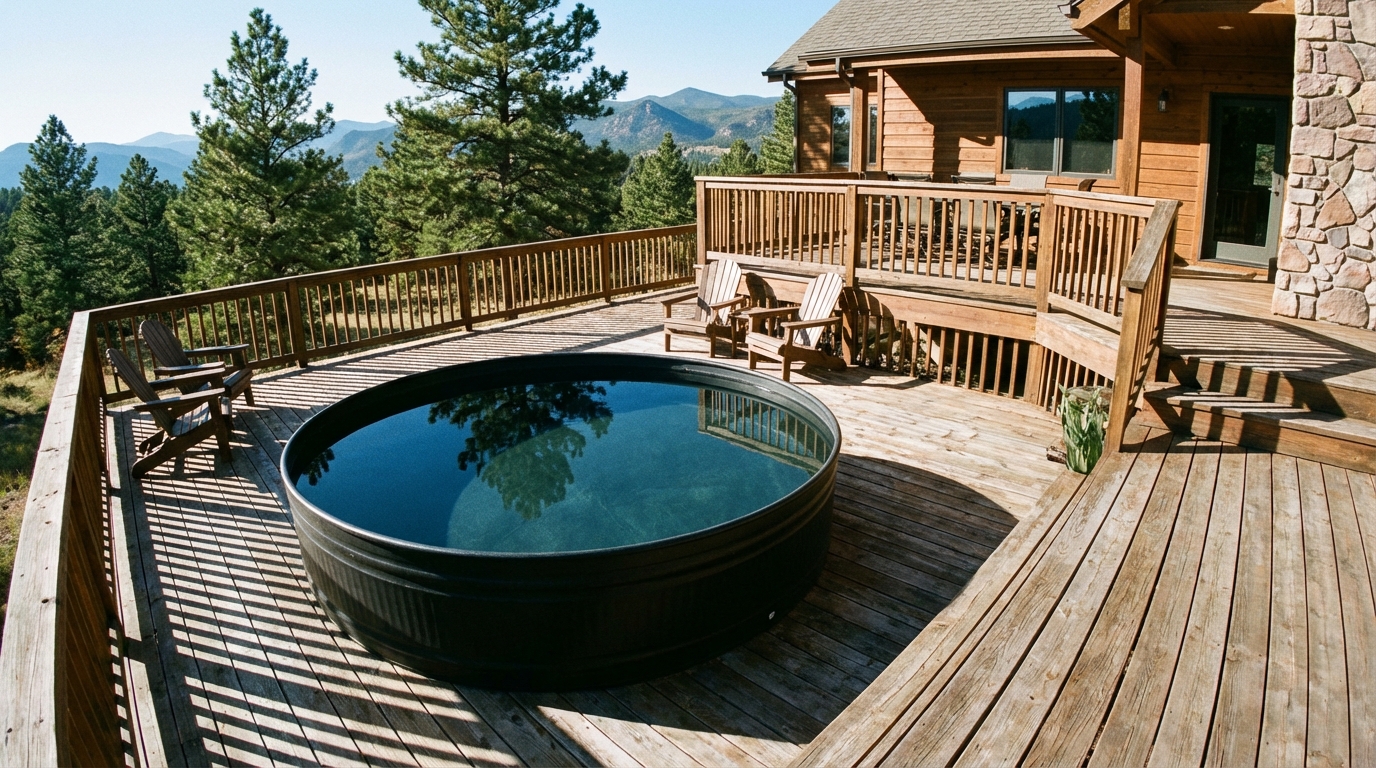
Stock tank pools repurpose galvanized metal agricultural tanks—the kind originally designed for watering livestock—into compact, stylish swimming pools. Total installed cost typically runs $2,000 to $6,000, making stock tanks the most affordable complete pool option.
What sets stock tanks apart is speed. A professional installation can be finished in a single day, which means you could be swimming by evening. The industrial-chic look has made them popular for smaller yards, urban spaces, and rental properties looking to add outdoor appeal without months of construction.
Inground pool installation cost by size
After pool type, size has the biggest impact on your total cost. Larger pools require more excavation, more materials, more water to fill, and more chemicals and energy to maintain.
Small pools under 400 square feet
Pools under 400 square feet are often called plunge pools or cocktail pools. They work well in compact yards or for homeowners who want a place to cool off and relax rather than swim laps. Because they use less material and require less excavation, small pools typically cost 20 to 30 percent less than standard-sized options. Ongoing maintenance costs are lower too.
Medium pools 400 to 600 square feet
This is the most common residential pool size. A medium pool offers enough room for swimming, playing, and entertaining without overwhelming a typical backyard. Most average cost figures you'll encounter assume a pool in this range.
Large pools over 600 square feet
Pools over 600 square feet suit serious swimmers or families who entertain frequently. Beyond higher construction costs, large pools require substantially more heating, more chemicals, and more water. In some cases, operating costs can run double what a medium pool requires.
Pool installation labor costs
Labor typically accounts for 25 to 50 percent of your total pool cost. The exact percentage depends on pool type, site conditions, and how much custom work is involved.
Excavation: Digging and hauling away soil runs $1,000 to $5,000 depending on pool size and soil conditions
Plumbing: Water circulation lines, drains, and returns typically cost $1,500 to $3,000
Electrical: Connecting pumps, lights, and heaters adds $1,000 to $2,500
Finishing: Decking, coping, and surface treatments vary widely based on materials
Rocky soil, limited equipment access, or sloped terrain will push labor costs toward the higher end. Complex custom features add to the total as well.
How location affects pool installation prices
Where you live influences both the base cost and the specific challenges your project will face.
Regional cost differences
Labor rates vary by metro area—pool installation in a major city costs more than in rural areas simply due to higher wages and operating expenses. Permit fees also differ by municipality, ranging from a few hundred dollars to over $1,000.
Soil conditions play a role too. Sandy soil is easier and cheaper to excavate than dense clay. Areas with high water tables may require additional drainage systems, which adds to the budget.
Colorado and high altitude considerations
Colorado presents some unique challenges. Rocky terrain can significantly increase excavation costs, sometimes adding thousands to the project. The shorter building season also means contractors have less scheduling flexibility, which can affect both pricing and availability.
High altitude changes how pool equipment performs. Pumps and heaters designed for sea level may not operate efficiently at 5,000 feet or higher. Water chemistry behaves differently too—evaporation happens faster, and UV exposure is more intense. Working with installers who understand mountain conditions helps avoid equipment problems and water quality issues down the road.
Hidden costs of putting in a pool
The base pool price rarely tells the whole story. Several additional expenses tend to surprise first-time pool buyers.
Permits and inspections
Most municipalities require building permits for pools, with fees ranging from $200 to $1,500. Some areas require separate electrical and plumbing permits as well. If you have an HOA, you may also need architectural approval before breaking ground.
Site preparation
Before construction begins, you may face costs for tree removal, grading, or hauling away excess soil. Sloped lots or yards with limited equipment access can add several thousand dollars to site prep alone.
Decking and patio work
The area surrounding your pool is usually quoted separately. Concrete decking runs $6 to $15 per square foot, while pavers or natural stone can cost $15 to $30 per square foot. This is often where budgets get stretched, since a pool without a proper deck feels incomplete.
Fencing and safety compliance
Most jurisdictions legally require pool fencing with self-latching gates. Basic aluminum fencing costs $15 to $40 per linear foot installed. Glass or wrought iron options run considerably higher but offer a more polished look.
Ongoing pool maintenance costs
Your investment doesn't end at installation. Annual maintenance typically runs $1,200 to $3,000 depending on pool type and whether you handle tasks yourself or hire a service.
Weekly upkeep includes testing water chemistry, adding chemicals, skimming debris, and cleaning filters. Chemicals alone cost $500 to $1,000 annually for most pools.
In Colorado, winterization is essential. Closing your pool properly in fall and reopening it in spring costs $300 to $600 if you hire a service. Skip this step, and you risk freeze damage to pipes and equipment.
Tip: Some pool companies bundle maintenance services with installation. This can simplify ownership and sometimes costs less than hiring separate providers.
DIY pool installation vs hiring a professional
Can you save money by installing a pool yourself? For above ground pools and stock tanks, DIY is realistic if you're comfortable with basic plumbing and electrical work. You'll still need permits in most areas, and mistakes can void equipment warranties or create safety hazards.
For inground pools, professional installation isn't just recommended—it's essentially required. Excavation, structural work, plumbing, and electrical all demand specialized equipment and expertise. The complexity makes DIY impractical for most homeowners.
Professional installation costs more upfront but includes permit handling, code compliance, proper equipment setup, and typically some form of warranty. For many homeowners, the peace of mind is worth the added expense.
How to save money on pool installation
Several approaches can reduce your total investment without cutting corners on quality or safety.
1. Choose a stock tank or above ground pool
The most effective way to lower costs is selecting a pool type with fewer material and labor requirements. Stock tank pools deliver a genuine backyard pool experience at a fraction of traditional inground prices.
2. Schedule installation during the off season
Booking in fall or winter often means better availability and potentially lower prices. Demand drops when swimming season ends, and contractors may offer discounts to keep crews busy.
3. Keep the design simple
Custom shapes, water features, and elaborate finishes look impressive but add significantly to costs. Standard rectangular or oval shapes with basic finishes keep expenses manageable while still creating an attractive pool.
4. Compare multiple quotes
Get at least three detailed quotes before committing. Make sure each quote covers the same scope of work—otherwise you're not comparing equivalent projects.
Does installing a pool increase home value
Pools can add value, but the return varies by market and property type. In warm climates, a pool might recoup 50 to 70 percent of its cost at resale, with 43% of home buyers saying they want a pool in their new home. In cooler regions, the return is typically lower, and some buyers view pools as a maintenance burden rather than an asset.
For investment properties—particularly short-term rentals—a pool can meaningfully increase booking rates and nightly prices. In Colorado's vacation markets, even a compact stock tank pool can enhance a property's appeal to guests looking for outdoor amenities.
How to choose the right pool for your budget
Start by clarifying what you actually want from a pool. A place to cool off on hot days? Space for kids to play? Serious lap swimming? Your answer shapes which pool type makes sense.
Timeline matters too. If you want to be swimming this summer, options requiring months of construction may not work. Stock tank pools and above ground options can be ready in days.
Finally, consider the full cost of ownership—not just installation, but ongoing maintenance, heating, and eventual repairs. A lower upfront price doesn't always mean lower total cost over the life of the pool.
Request a custom installation quote to explore options that fit your budget and Colorado lifestyle.
FAQs about pool installation costs
How long does pool installation typically take?
Timeline varies dramatically by pool type. Stock tank pools can be installed in a single day, above ground pools in one to three days, and inground concrete pools may take three to six months from groundbreaking to first swim.
Do I need a permit to install a pool in Colorado?
Most Colorado municipalities require permits for permanent pools. Requirements vary by city and county, so checking with your local building department before starting any installation is worthwhile.
What is the cheapest type of pool to install?
Stock tank pools and basic above ground pools have the lowest installation costs, typically under $6,000 fully installed. They're a practical choice for homeowners who want a backyard pool without a major construction project.
Can I finance a pool installation?
Many homeowners finance pools through home equity loans, personal loans, or contractor financing plans. Some pool companies offer payment options directly, spreading costs over time.
What time of year is cheapest to install a pool?
Late fall and winter typically offer the best pricing since contractor demand is lower. However, weather may delay inground excavation work during Colorado's colder months.