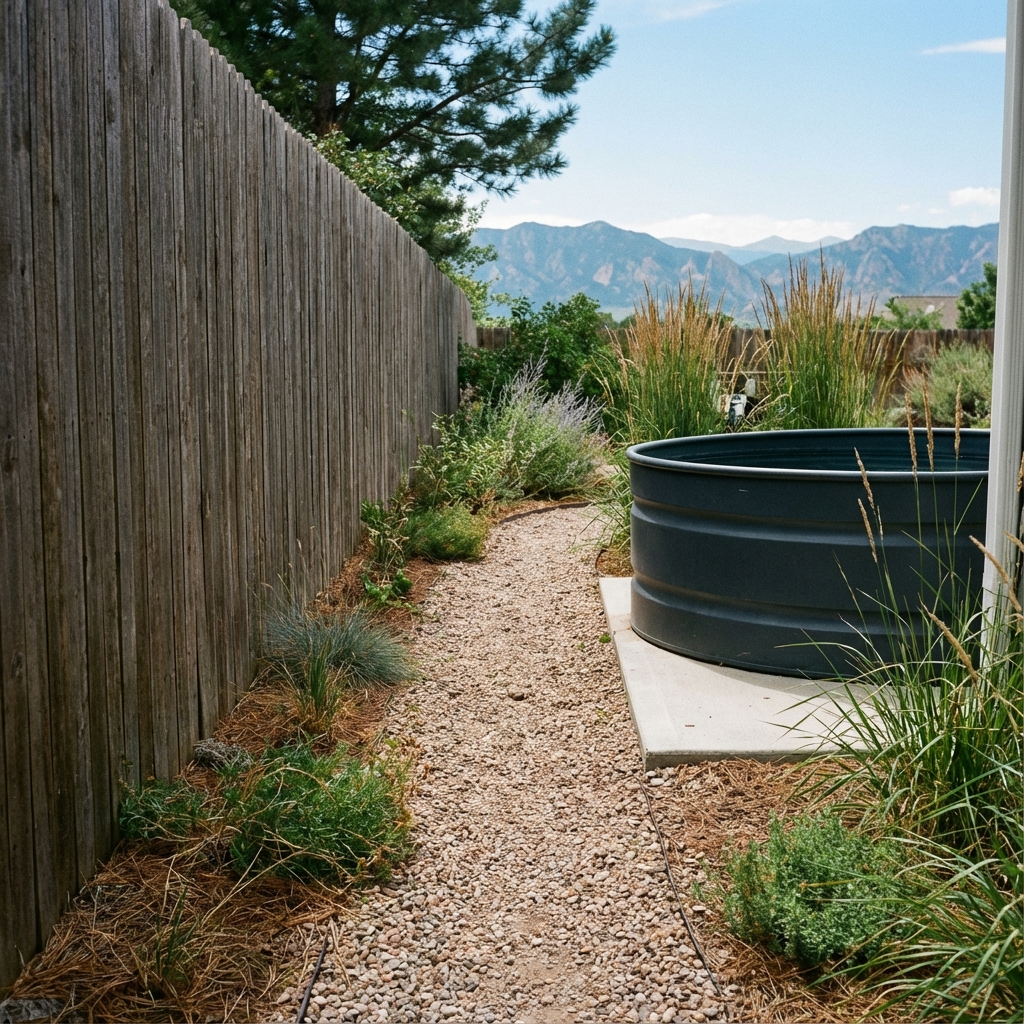
Complete Cowboy Pool Filter Guide: Types and Recommendations
A cowboy pool without proper filtration turns into a murky, algae-filled mess within days. The right filter system keeps your stock tank swimmable all summer with minimal effort.
This guide covers the three main filter types, how to match equipment to your tank size, and what maintenance actually looks like week to week.
What is a cowboy pool filter
A cowboy pool filter is a compact filtration system designed for stock tank pools—those galvanized metal tubs originally built for watering livestock that have become a popular backyard swimming option. The filter works with a pump to circulate water, trap debris, and keep your pool swimmable all season long.
You might be wondering why these pools are called "cowboy pools" in the first place. The name comes from their ranching origins, where farmers and cowboys would occasionally cool off in the same tanks their cattle drank from. Today, purpose-built stock tank pools range from 6 to 10 feet in diameter and hold anywhere from 300 to 1,100 gallons of water.
Because cowboy pools are much smaller than traditional swimming pools, they require appropriately sized filtration equipment. Using an oversized filter wastes energy and money, while an undersized one leaves you with cloudy, uninviting water.
How stock tank pool filters keep water clean
The filtration process is straightforward. A pump draws water from your stock tank through an intake fitting, pushes it through filter media that traps particles, and returns clean water to the pool. This cycle repeats continuously while the pump runs.
But filtration does more than just remove visible debris. Moving water prevents stagnation, which is important because still water becomes a breeding ground for algae and mosquitoes. Circulation also distributes chlorine and other sanitizers evenly, so you don't end up with some areas of your pool properly treated and others not. that can develop in as little as 5 days. Circulation also distributes chlorine and other sanitizers evenly, so you don't end up with some areas of your pool properly treated and others not.
- Circulation: Keeps water moving to prevent algae growth and mosquito breeding
- Filtration: Removes leaves, dirt, insects, and organic matter before they decompose
- Chemical distribution: Spreads sanitizers throughout the pool so every gallon gets treated
Types of cowboy pool filters
Three main filter types work well for stock tank pools. Each has distinct advantages, and the right choice depends on your tank size, maintenance preferences, and budget.
Cartridge filters
Cartridge filters are by far the most common choice for cowboy pools. They use a pleated polyester or paper element to trap particles as water passes through. When the cartridge gets dirty, you pull it out and rinse it with a garden hose—no complicated backwashing or special procedures.
The compact size and low price point make cartridge filters ideal for stock tank setups. Most DIY stock tank pool pump kits include a cartridge system for exactly this reason. The main downside is that cartridges wear out and require replacement every one to two seasons.
Sand filters
Sand filters use a bed of specially graded sand to capture debris. Water enters the top of the filter tank, flows down through the sand (which traps particles along the way), and exits through a collection system at the bottom. Cleaning involves running water backward through the system—a process called backwashing.
Sand filters are more durable than cartridge systems and require less frequent attention. However, they're larger, heavier, and more expensive upfront. For most stock tank owners, a sand filter is overkill, though it can make sense for 10-foot tanks or permanent installations.
Diatomaceous earth filters
Diatomaceous earth (DE) filters offer the finest filtration available. They use a powder made from fossilized diatoms—tiny aquatic organisms—to capture particles as small as 2 to 5 microns. For reference, cartridge filters typically catch particles around 10 to 15 microns, and sand filters around 20 to 40 microns.
The tradeoff is higher maintenance. DE powder requires careful handling since it can irritate your lungs if inhaled, and the filter grids need periodic cleaning and recharging with fresh powder. Most cowboy pool owners find this level of filtration unnecessary for a backyard dip.
| Filter Type | Best For | Maintenance Level | Filtration Quality |
|---|---|---|---|
| Cartridge | Most stock tanks | Low | Good (10-15 microns) |
| Sand | Larger setups | Medium | Moderate (20-40 microns) |
| DE | Maximum clarity | High | Excellent (2-5 microns) |
Best cowboy pool filters by tank size
Matching your filter's capacity to your tank's volume ensures effective water turnover. An undersized pump struggles to keep up, while an oversized one wastes electricity without providing better results.
Filters for 6-foot stock tanks
A 6-foot diameter stock tank holds approximately 390 gallons. A pump rated at 500 to 1,000 GPH (gallons per hour) provides adequate circulation for tanks this size. Entry-level cartridge filter pumps work well here, and you won't need to spend more than $100 to get reliable performance.
Filters for 8-foot stock tanks
Eight-foot tanks hold around 700 gallons, making them the most popular size for backyard cowboy pools. A 1,000 to 1,500 GPH cartridge filter pump handles this volume effectively. At this flow rate, the pump turns over the entire pool contents roughly once per hour during operation.
Filters for 10-foot stock tanks
The largest common stock tank size holds approximately 1,100 gallons. A 1,500 GPH or higher pump maintains proper circulation for pools this size. Some owners opt for sand filters at this capacity since the reduced maintenance frequency becomes more appealing with larger water volumes.
How to choose the right stock tank pool filter
Beyond tank size, several other factors influence which filter system works best for your situation.
Match the GPH rating to your tank volume
GPH stands for gallons per hour and measures how much water a pump moves in sixty minutes. For effective filtration, your pump needs to turn over your pool's entire volume at least once during each operating cycle. A 700-gallon tank paired with a 1,000 GPH pump achieves full turnover in about 42 minutes of runtime.
Consider your climate and altitude
High-altitude and desert climates create unique challenges for stock tank pools. Intense UV exposure accelerates algae growth, while low humidity speeds up evaporation. If you're in Colorado or a similar environment, you'll likely run your pump longer each day compared to someone at sea level in a humid climate., potentially adding to energy costs that already average up to $270 per year for pool pumps.
Tip: At elevations above 5,000 feet, running your filter pump an extra hour or two daily helps compensate for increased evaporation and stronger sun exposure.
Evaluate maintenance requirements
Cartridge filters require rinsing every one to two weeks during heavy use. Sand filters only need backwashing monthly but involve a more complex setup process. Think honestly about how much time you want to spend on pool maintenance before making your choice.
Compare pump and filter kits
All-in-one DIY stock tank pool pump kits bundle the pump, filter, hoses, and fittings together. Buying components separately sometimes costs less but requires research to ensure everything works together. For first-time cowboy pool owners, a complete kit eliminates compatibility guesswork.
How much cowboy pool filters cost
Filter system prices vary based on type, capacity, and build quality. Here's what to expect:
- Entry-level cartridge pump kits: $80 to $150, suitable for tanks up to 8 feet
- Mid-range cartridge systems: $150 to $250, with better durability and higher flow rates
- Sand filter systems: $200 to $400, higher upfront cost but longer-lasting filter media
Replacement cartridges run $15 to $40 each and typically last one to two seasons with proper care. Factor this ongoing expense into your budget when comparing filter types—sand filters cost more initially but don't require annual cartridge purchases.
How to maintain your cowboy pool filter
Regular maintenance keeps your filter working efficiently and extends its lifespan. The good news is that stock tank pool filters require far less attention than traditional pool equipment.
Daily filter care
A quick visual check takes just a few seconds. Skim any floating debris with a hand net before it reaches your filter intake. This simple habit reduces strain on your filtration system and keeps the water looking inviting.
Weekly filter cleaning
Remove your cartridge and rinse it thoroughly with a garden hose, spraying between the pleats to dislodge trapped particles. If your system has a pressure gauge, note the baseline reading when the filter is clean—rising pressure indicates it's time for another cleaning.
Monthly deep cleaning
Soaking your cartridge overnight in a filter cleaning solution dissolves oils, sunscreen residue, and organic buildup that rinsing alone won't remove. While the cartridge is out, inspect it for tears, fraying, or collapsed pleats that indicate wear.
When to replace your cartridge filter
Even with diligent cleaning, cartridge filters eventually wear out. Signs that replacement is due include persistently cloudy water despite proper chemical balance, visible damage to the filter material, and noticeably reduced water flow. Most cartridges last one to two full swimming seasons.
How to winterize your stock tank pool filter
Cold winters demand proper equipment storage to prevent freeze damage. Water expands when it freezes, and even a small amount trapped in your pump or filter housing can crack plastic components.
- Drain completely: Remove all water from the pump, hoses, and filter housing
- Clean thoroughly: Wash and fully dry your cartridge before storage to prevent mold
- Store indoors: Keep equipment in a garage, basement, or shed where temperatures stay above freezing
Skipping winterization often means replacing your entire pump and filter system in spring—an expensive lesson that's easy to avoid with thirty minutes of preparation in fall.
Essential accessories for cowboy pool filtration
A few supplemental tools make your filter's job easier and extend its working life.
Skimmers and nets
A handheld skimmer net removes leaves, bugs, and debris before they sink and clog your filter. Five seconds of skimming before each swim dramatically reduces how often you'll clean your cartridge.
Chemical testing kits
Test strips or liquid test kits let you monitor chlorine and pH levels. Balanced water chemistry prevents algae blooms that would otherwise overwhelm your filtration system. Testing takes about a minute and helps you catch problems before they become visible.
Pool covers
A simple cover reduces debris accumulation significantly and slows evaporation. Your filter runs less, your chemicals last longer, and your water stays cleaner between swims. Covers are especially valuable in windy areas or yards with overhanging trees.
Simplify your cowboy pool setup with professional installation
While DIY filter installation works well for handy homeowners, not everyone wants to research equipment, drill holes in their tank, and troubleshoot plumbing connections. Professional installation eliminates the learning curve entirely.
Splashkit delivers turnkey stock tank pool installations across Colorado, including Loveland and surrounding Front Range communities, completing most projects in a single day. The equipment is specifically selected for high-altitude conditions, and ongoing maintenance support means you're never left troubleshooting alone. For property managers running Airbnbs or rental properties, professional installation also ensures everything is set up correctly from day one.
Request a custom installation quote to see how a professionally installed cowboy pool could work for your backyard.
FAQs about cowboy pool filters
How long do stock tank pool filters typically last?
Cartridge filters generally last one to two full swimming seasons with proper care. Heavy use, high debris loads, and infrequent cleaning shorten this lifespan. Sand in a sand filter lasts three to five years before needing replacement.
Can you use a regular swimming pool filter on a stock tank pool?
Traditional pool filters are typically oversized for stock tanks. A filter designed for a 15,000-gallon in-ground pool wastes energy when connected to a 700-gallon stock tank. Purpose-built stock tank pool pump kits are more efficient and appropriately scaled.
Do stock tank pools attract mosquitoes without proper filtration?
Mosquitoes lay eggs in stagnant water, so a properly running filter pump discourages them effectively. Running your pump for several hours daily keeps water moving enough to prevent mosquito larvae from developing into adults.
How many hours per day should a cowboy pool filter pump run?
Most stock tank pools stay clear with four to eight hours of daily pump operation. Factors like how often people swim, how much debris falls into the pool, and local temperatures all influence the ideal runtime for your specific setup.
Is a cowboy pool worth the investment compared to traditional pools?
Stock tank pools offer an affordable, quick-to-install alternative that delivers genuine backyard enjoyment. While they lack the size of in-ground pools, they also skip the five-figure price tag, months of construction, and complex permitting that traditional pools require.complex permitting, and $3,000 to $6,000 annual maintenance that traditional pools require.